
Skin Care 101
Why Your Dry Skin May Not Need a Richer Moisturizer

Your skin feels tight. Maybe it is flaky around the nose or mouth. Your moisturizer disappears almost immediately. By afternoon, your face feels dry again. So you do the logical thing. You buy a richer cream. Then perhaps a facial oil. Then a hydrating mask. Maybe another serum, because apparently this one contains seven molecular…
Read MoreHormonal Acne and DHT: Why the Same Chin Breakout Keeps Coming Back
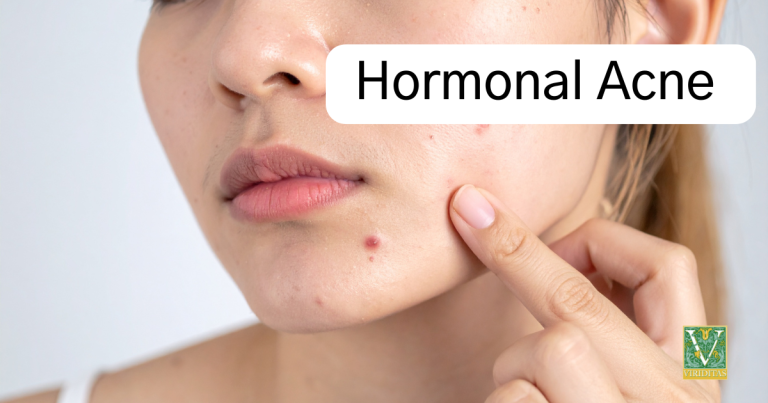
Hormonal acne is often explained in dramatic terms. PCOS. Major hormone imbalance. High testosterone. Abnormal labs. Prescription medication. And yes — for some people, acne is connected to PCOS or another endocrine pattern. That matters, and it deserves medical attention. But in the treatment room, we often see something much more common: The once-a-month chin…
Read MoreStop Declaring WAR On Your Skin

When you declare war on your skin, your skin starts defending itself. There are moments when the world feels sharpened—when the nervous system is already bracing before you’ve even had your coffee. In those moments, it makes sense that we reach for solutions that match the energy in the air: fast, forceful, decisive. And without…
Read MoreSensitive Skincare Routine During Cancer Treatment | Oncology Skincare Part 5
When you’re going through cancer treatments or navigating autoimmune flares, your skin needs care that feels more like a hug than a workout. The goal isn’t perfect skin — it’s comfort, protection, and support while your body does the heavy lifting of healing. Here’s a gentle, barrier-friendly skincare routine using Oncology Safe ingredients you can…
Read MoreIngredients for Sensitive Skin: What to look for | Oncology Skincare Part 3
When your skin is dry, sensitive, or compromised from cancer treatment or autoimmune flares, the ingredient list matters more than ever. This is not the moment for trendy acids, scrubs, or high-octane actives. Instead, we’re looking for comfort, repair, and quiet support. Think of these ingredients as the skincare version of a weighted blanket and…
Read More